
Our natural plant-based products focus on barrier support without unnecessary actives or fillers. Designed for skin weathering seasons of change. BRAW prioritises gentle efficacy over trend-driven complexity.
View our favourite botanical ingredients and learn why we’ve put them in our BRAW skin barrier balms.
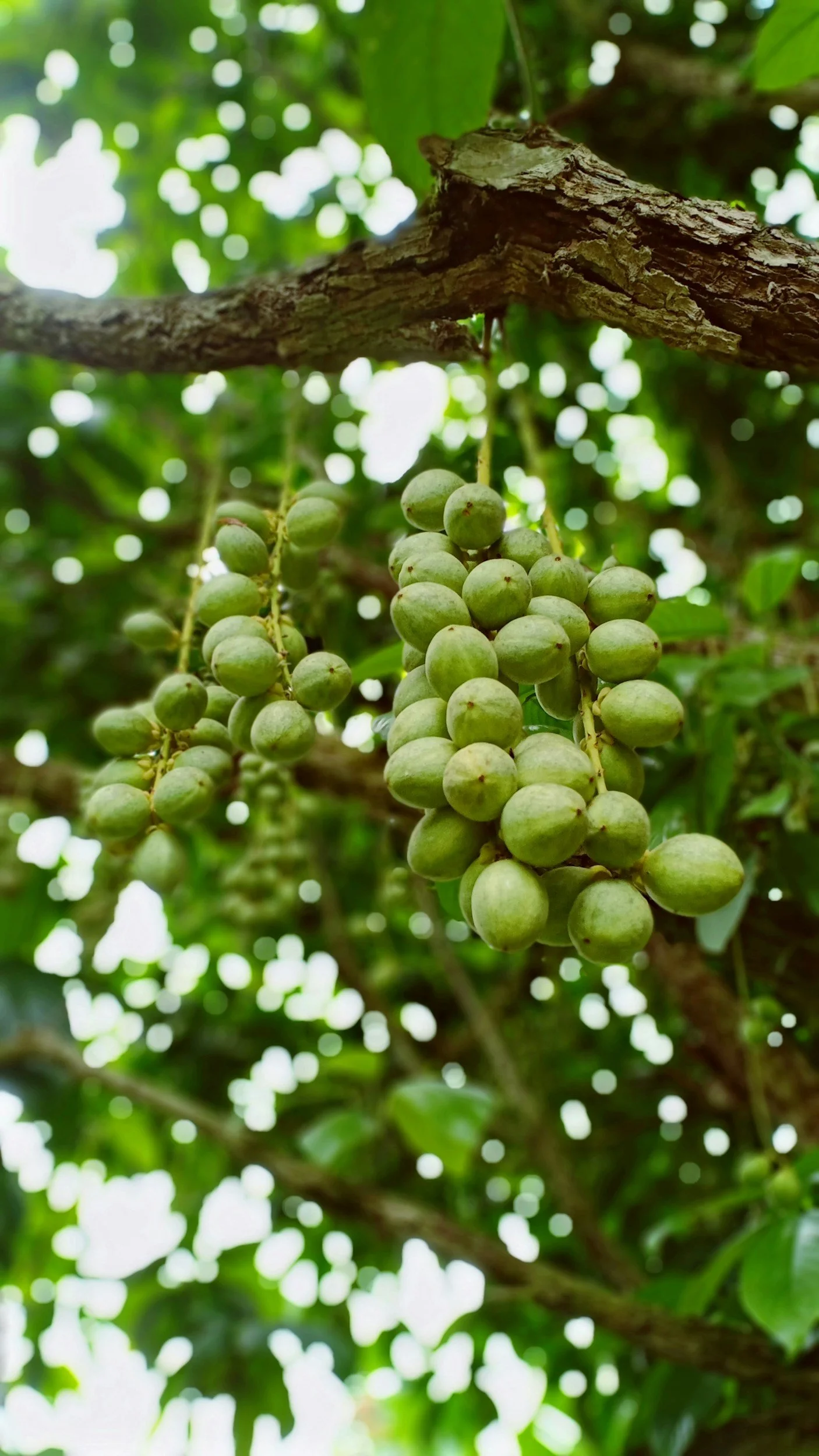
Shea Butter Latin name: Butyrospermum Parkii Why it works: Rich in oleic and stearic acids, with naturally occurring vitamin E. Solid until it meets warm skin, then melts (like butter) to form a breathable layer that slows moisture loss and leaves skin conditioned. Who is it for: All skin types that needs hydration. Non pore clogging but may not suit skin prone to severe acne.
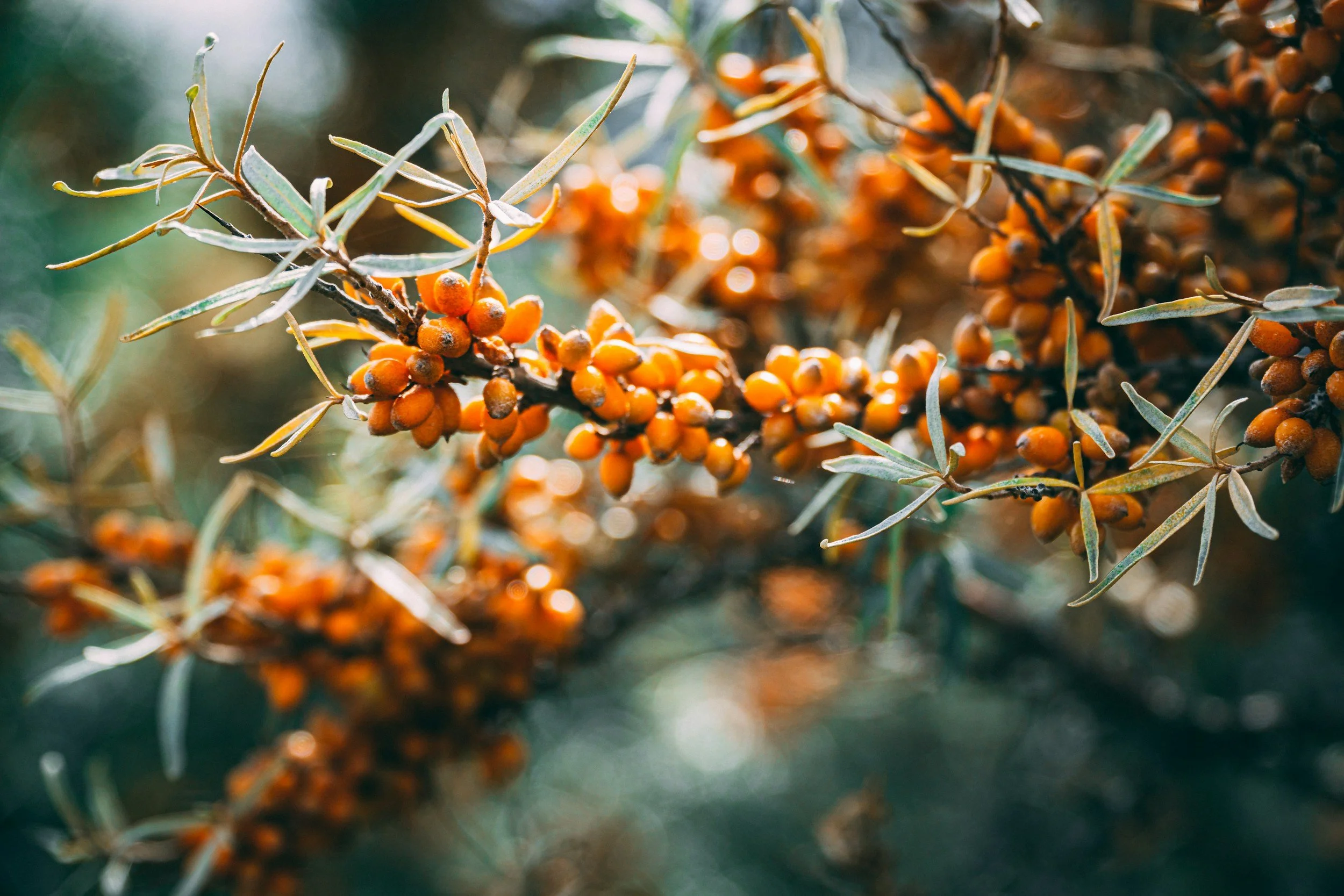
Sea Buckthorn Oil Latin name: Hippophae Rhamnoides Fruit Oil. Why it works: Sea buckthorn oil is packed with rare omega-7 fatty acids, vitamin A,C and E and is high in antioxidents. It helps repair a weak skin barrier, calms redness and promotes fast healing of the skin.
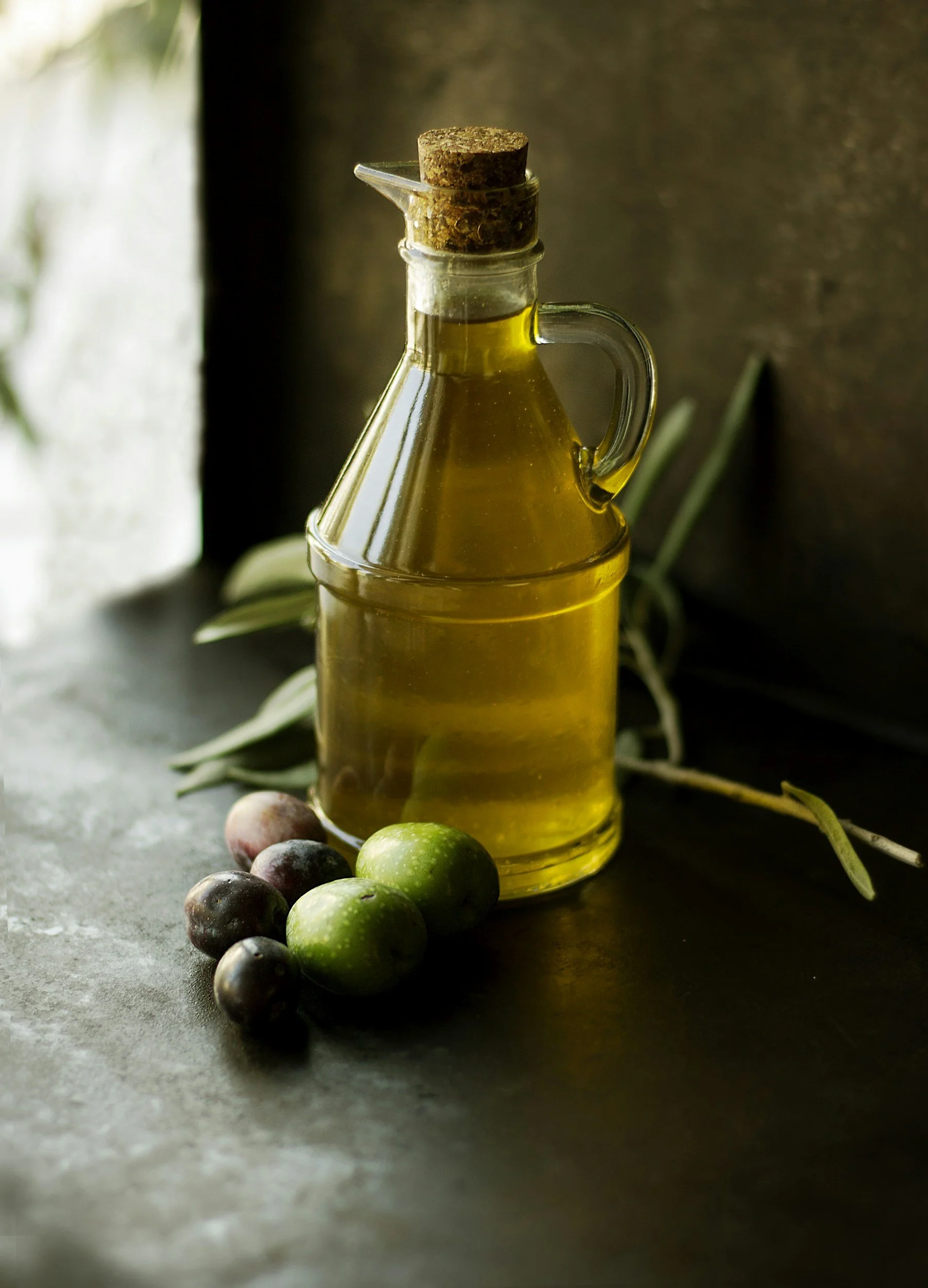
Jojoba Oil Latin Name: Chinensis Seed Oil. Why it works: A liquid wax, not an oil - close in structure to skin's own sebum to help our balms absorb into the skin acting as a seal and balances your skin's oil production. It forms a light protective barrier to stop water escaping and doesn't clog pores. Who is it good for: All skin types
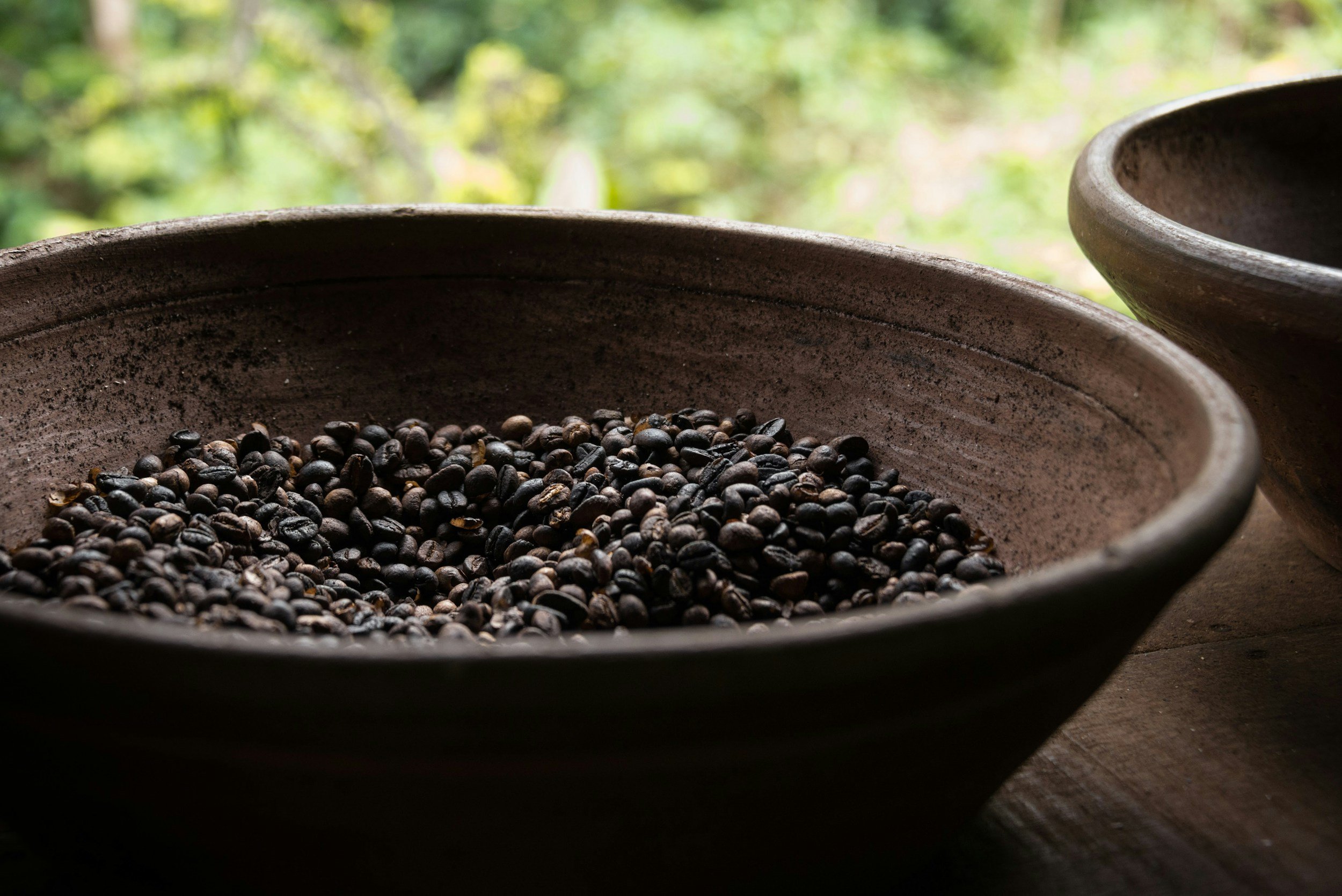
Black Cumin Seed Oil. Latin Name: Nigella Sativa Seed Oil. What's it good for: Dense in linoleic acid and naturally occurring compounds including thymoquinone, alongside its own recognisable, earthy background scent. Linoleic acid is a fatty acid the skin barrier itself is built from, and topical oils rich in it help keep the barrier flexible and comfortable in the changeable UK weather. It also fights against acne causing bacteria, soothes irritation and supports skin healing. The fatty acids and vitamins nourishes and protects the skin barrier from daily environmental stress.
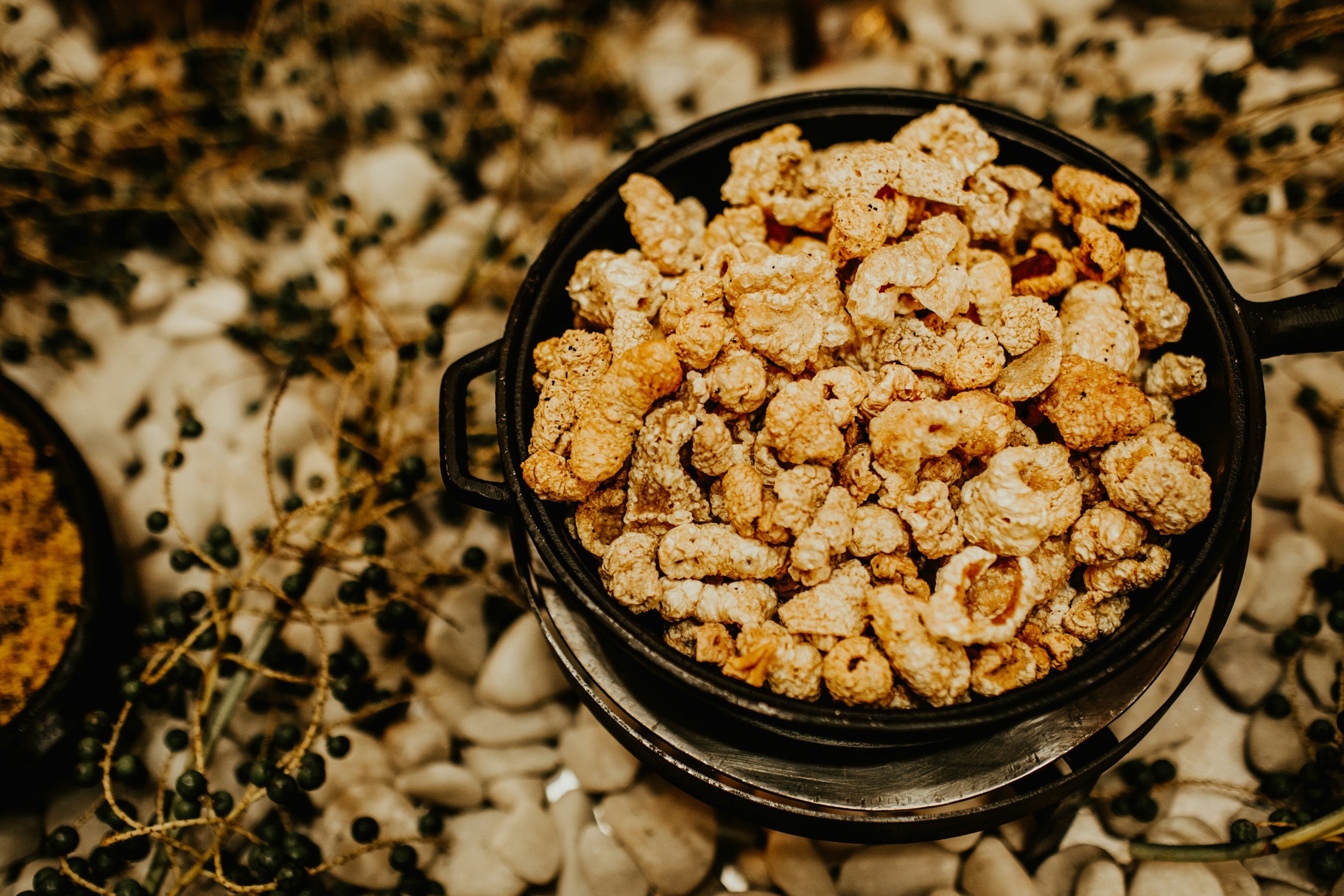
Frankincense Latin Name: Boswellia Carterii Oil Resin. tapped from the Boswellia tree and steam-distilled into oil, frankincense has been valued for millennia for its warm, balsamic scent and its place in ritual and remedy alike. Why it works: Softens lines and improves skin elasticity. Calms irritated reactive skin. It can even the skin tone and is a natural astringent and helps tighten pores and balance excess oil.
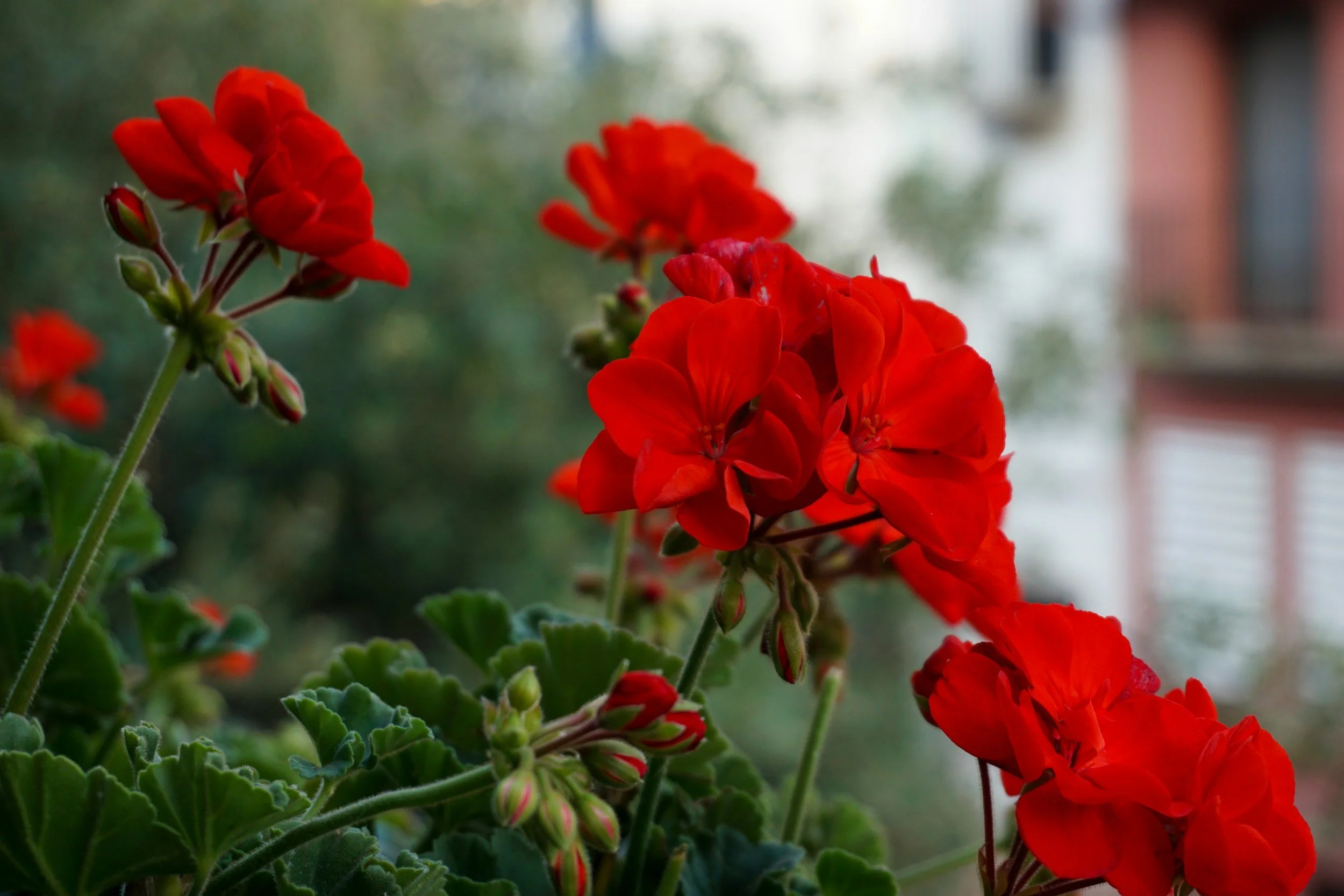
Rose Geranium. Latin Name: Pelargonium Graveolens Oil Why it works: Traditionally valued for helping condition combination and oily skin. Naturally toning. Benefits both oily and dry skin and provides antioxidant protection. Supports skin tissue healing. Good for: all skin types.
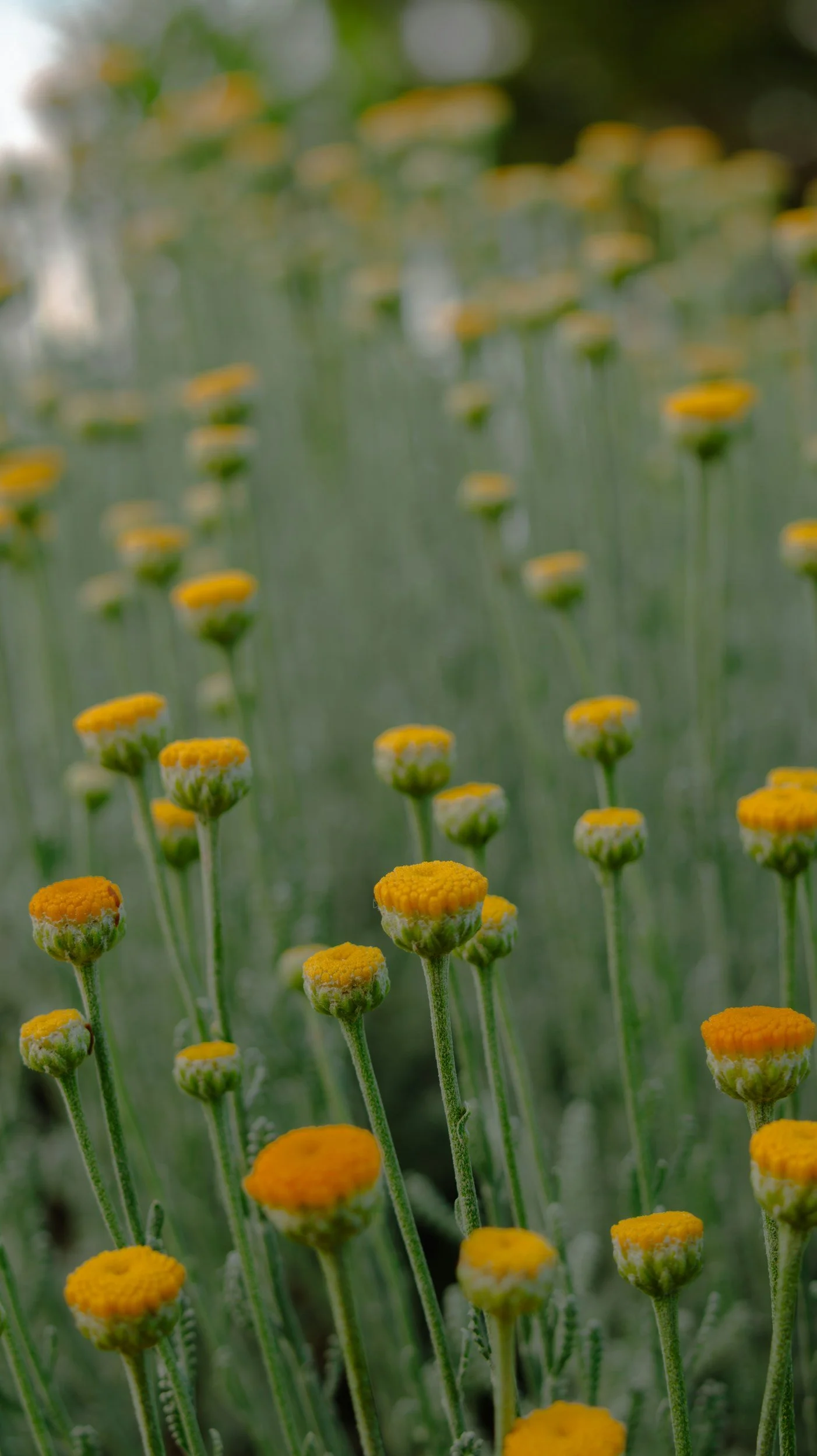
Helichrysum - Immortelle Flower. Latin Name: Helichrysum Italicum Flower Oil Known as the immortelle for the way its flowers hold their colour and shape even after picking. Why it works: It's rich in antioxidants and flavonoids that help defend against everyday free radical stress from sun and pollution. It's also associated with calming redness and irritation, making it a favourite in formulations for reactive or easily unsettled skin. Prized in skincare for decades, though genuinely scarce – it takes a very large quantity of flowers to yield a small amount of oil. Can help support sensitive skin flare-ups.
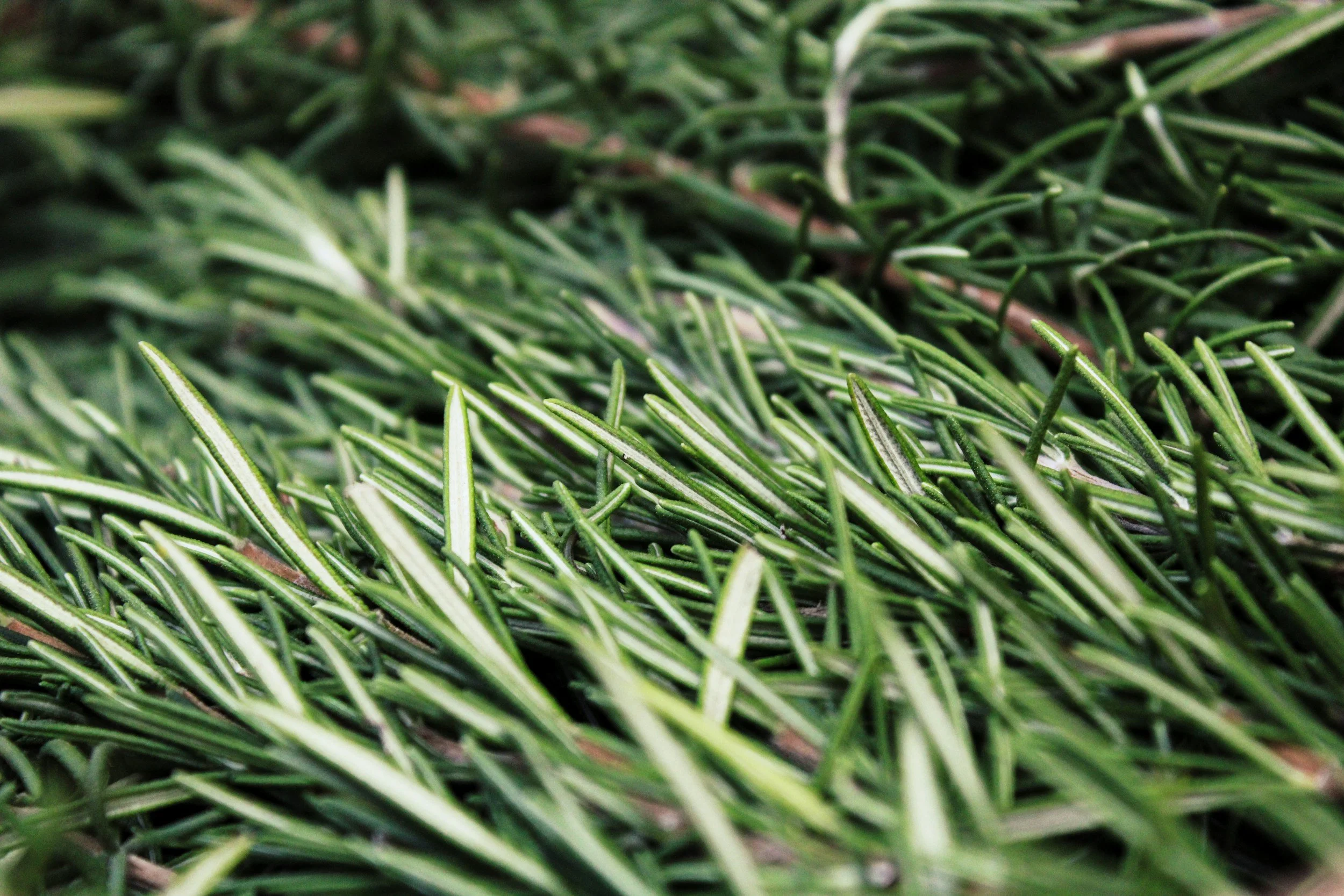
Rosemary Latin Name: Rosmarinus Officinalis Leaf Oil Why it works: Rosemary oil is rich in antioxidant compounds – rosmarinic and carnosic acid among them that help defend skin against everyday oxidative stress, UV exposure and pollution. It's also known for a naturally antimicrobial character, which is part of why it's long been used in skin care for complexions prone to congestion or irritation. It can boost local blood circulation too and reduce puffiness. It should be avoided during pregnancy though as it could be a possible uterine stimulant.

Lavender Latin Name: Lavandula Angustifolia Oil. Steam-distilled from the flowering tops of the plant. Why it works: This oil is rich in linalool and linalyl acetate – compounds behind its long-standing reputation for calming redness and irritation on sensitive or reactive skin. It's also associated with helping keep the skin's moisture balance steady, working well for skin running dry or oily, and carries a naturally antimicrobial character that's made it popular in traditional skin care for centuries. Its soft floral-herbaceous scent is as calming as its effects on skin.

Vetiver Grass Latin Name: Vetiveria Zizanoides Root Oil. Distilled from the tangled root system of a tropical grass. Why it works: Research profile studies have found it to have notably strong free radical scavenging activity, comparable to standard reference antioxidants. It's also associated with a calming, anti-inflammatory character that can help settle redness or a sense of irritation. It can support with skin cell regeneration and protects against environmental stressors.
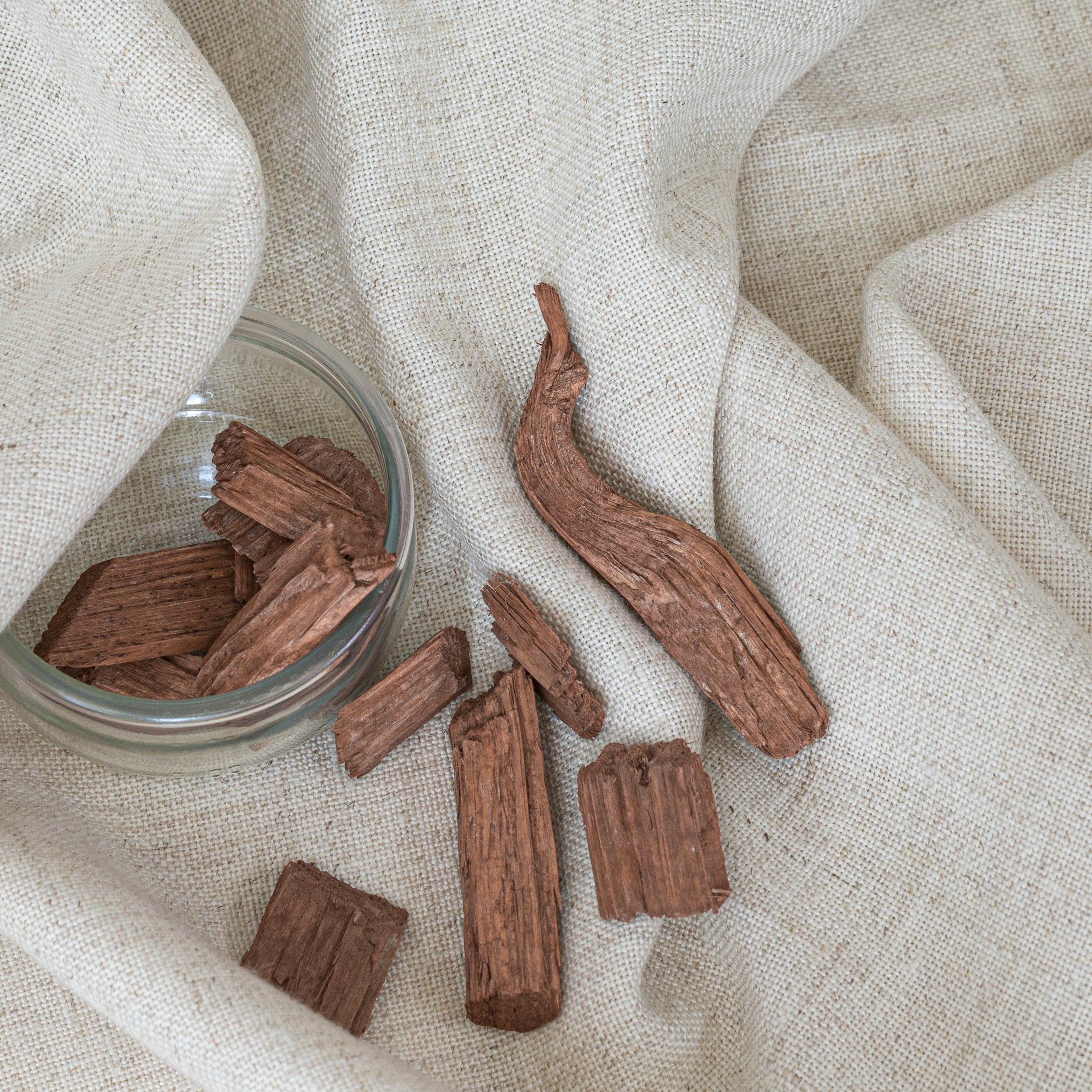
Cedarwood Atlas (Cedrus Atlantica Bark Oil) Distilled from the wood of the Atlas cedar, this oil is rich in sesquiterpenes – cedrol among them – which give it a naturally calming, antibacterial character. On skin, it's associated with soothing irritation and helping keep sebum in check, which is part of why it sits comfortably alongside pine and vetiver without overwhelming more sensitive skin.

Scots Pine Latin Name: Pinus Sylvestris Oil. Steam-distilled from the needles of Scotland's only native pine. Why it works: This oil is rich in monoterpenes - alpha-pinene and beta-pinene which give it its naturally antioxidant, soothing character. On skin, that translates to a calming effect on redness and irritation, alongside a light antiseptic quality that's made it a fixture in traditional Northern European skin care for centuries. It's a good partner for sensitive or weather-exposed skin.